
 As spring arrives in Northeast Florida, it’s common to see a snake quietly slithering across a driveway, resting along a pond’s edge, or moving through tall grass. After the cooler winter months, snakes start to become more active as the land warms up.
Many people who grew up in the South heard the same warning whenever a snake appeared in the yard or along a wooded trail: “Be careful. If you see one snake, another is close by.”
For generations, this phrase has been repeated so often that it feels like a fact. But do snakes really travel in pairs?
What Science Shows
In reality, most snakes live solitary lives. They hunt and move alone, spending much of their time hidden from view. Unlike birds that form long-term pairs or mammals that live in family groups, snakes rarely travel with others. They usually only come together briefly during the breeding season before going back to their independent lives.
Why People Sometimes See More Than One Snake
 There are several reasons why people sometimes see two snakes in the same area. During spring and early summer, male snakes may follow the scent trail of a female during breeding season. To someone watching from a distance, it can easily look like two snakes are moving together.
Habitat also plays an important role. Snakes are attracted to areas that provide warmth, shelter, and food. Places with ponds, drainage ditches, brush piles, fallen logs, or tall vegetation often support frogs, lizards, insects, and rodents — the types of prey many snakes depend on.
Many yards in Clay County naturally provide these conditions. When several of these elements come together in one spot, it is possible for more than one snake to live in the same area, even if they are not moving together.
A Practical Note of Caution
Although snakes usually don’t travel in pairs, the old warning still offers useful advice. If you see one snake, the nearby environment might be a good habitat, suggesting another snake could be close.
That’s why it’s wise to stay alert when walking through tall grass, wooded areas, or near water. Avoid blindly reaching into brush piles, logs, or debris where a snake might be hiding. Most snakes prefer to stay away from people and will move away if given space.
 Living Alongside Florida’s Snakes
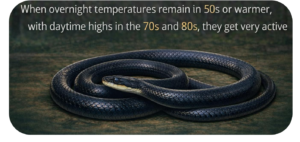
Northeast Florida hosts many snake species, most of which are harmless and beneficial for the environment. Some common snakes seen here include the Southern Black Racer, Eastern Rat Snake, and Red Corn Snake.
These species are vital for managing rodent populations and supporting a balanced ecosystem. Learning about their behavior helps turn fear into understanding and promotes coexistence with the wildlife sharing our land.
Closing Reflection
The old saying about snakes traveling in pairs may not be scientifically accurate, but it reminds us of something important: nature deserves our attention. When we slow down, observe carefully, and give wildlife the space it needs, both people and snakes can safely coexist in the same environment.
And in a place as naturally rich as Northeast Florida, learning to coexist with these quiet and often misunderstood creatures is part of what helps keep Florida wild, weird, and wonderful.
By: Sandra Hartley
March 30, 2026