
An ABC of Community Etiquette
 At a gathering or community event, people usually expect a predictable environment—a place where conversation flows easily and everyone understands the general boundaries of the setting. Those expectations can change quickly when someone arrives with a pet and assumes the room will welcome it happily.
Many of us love animals, and dogs, in particular, are loyal friends that bring comfort to our homes. Because of this affection, it’s easy to assume that bringing a dog to a public event will lift everyone’s mood. Sometimes it does. However, shared spaces are complex, and not everyone views animals the same way.
Not Everyone Is Comfortable
For some people, having a dog can be stressful instead of enjoyable. Allergies are a genuine concern. Others have lifelong fears from past experiences with animals. Cultural traditions also shape how people interact with pets.
In professional or community settings, someone who feels uncomfortable might stay silent out of politeness, but that discomfort still remains. During those moments, the atmosphere shifts for everyone in the room, even if only a few people notice.
A Different Animal, A Different Reaction
 Imagine the same scenario, but with a different animal. What if someone arrived at a business event with a pet snake draped calmly around their shoulders? For the owner, the snake might be a treasured companion. For others, it could trigger an immediate alarm.
The response would probably be quick and clear. But the basic issue remains the same: we assume how others will react when animals enter shared spaces.
The Dog’s Experience
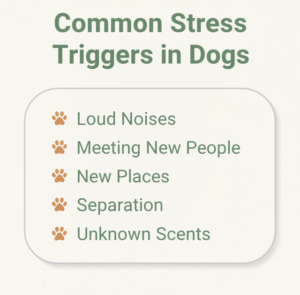 There’s another perspective we sometimes overlook—the animal itself. A crowded gathering can be overwhelming for a dog. The room might be filled with unfamiliar voices, scents, and sudden movements.
Strangers might approach, reach out to pet the dog, or get too close. What seems like a friendly outing to the owner could be overwhelming for the animal.
Dogs often rely on their owners for comfort. When an owner gets distracted during a conversation and hands the leash to someone else—even just for a moment—the dog might suddenly find itself around unfamiliar people in a new environment. At that moment, the dog might simply be wondering where its owner went and if they’ll come back.
Seeing the Bigger Picture
Shared environments require something simple but essential from each of us: awareness.
Before introducing something unexpected into a space—whether it’s a pet, loud music, or any other personal element—it’s helpful to pause and consider the bigger picture. How might others experience this situation? Is the setting appropriate for it? And perhaps just as importantly, would the animal itself be more comfortable in the familiar calm of home?
Loving our animals means caring about their well-being, but it also means respecting the boundaries of shared spaces.
Sometimes the most considerate choice—for everyone involved and for the pet we love—is simply to let the dog stay home.
By: Sandra Hartley