
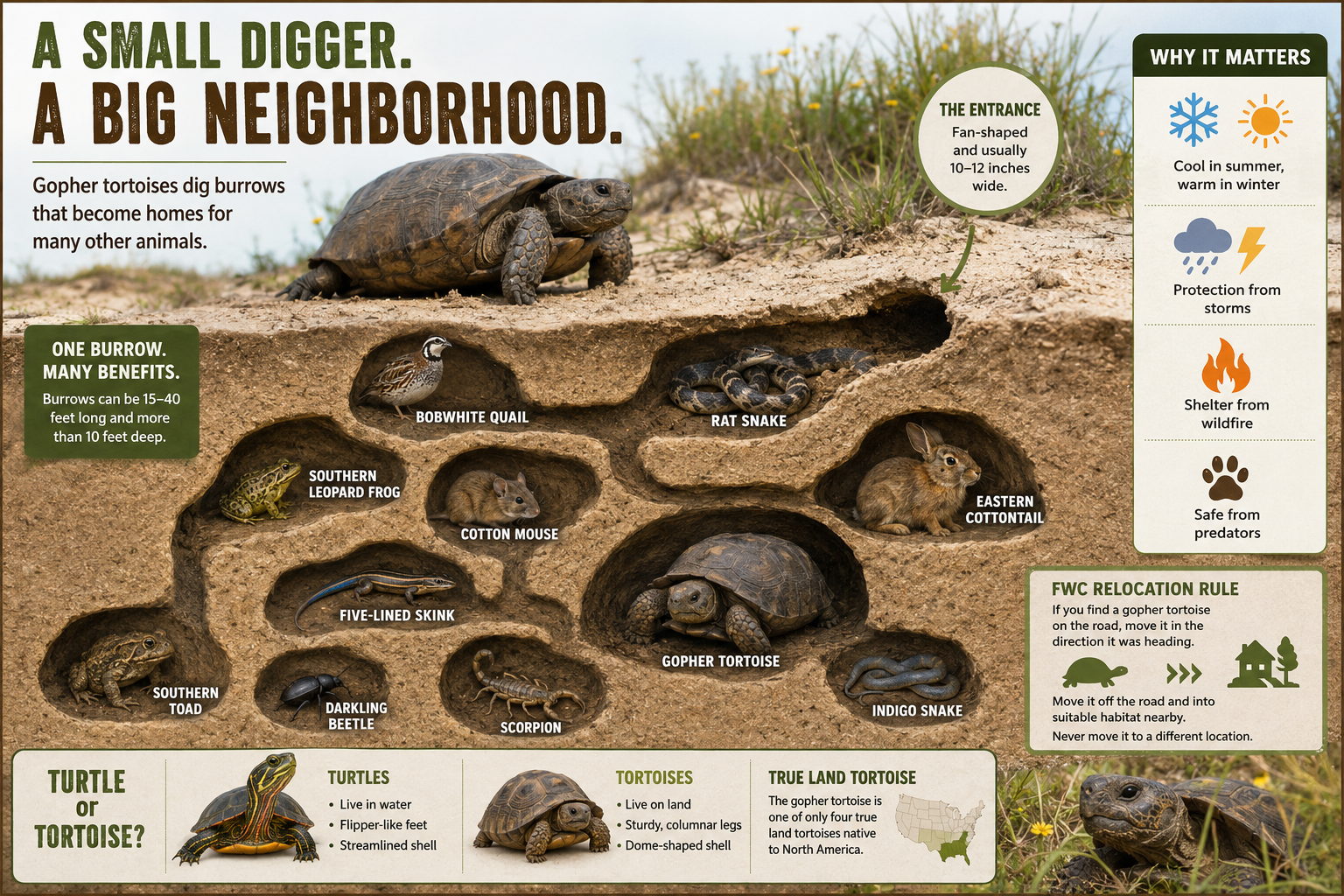
 Amid Northeast Florida’s natural beauty, the gopher tortoise moves with the quiet dignity of the wise tortoise in Aesop’s The Tortoise and the Hare, a fable told for more than 2,000 years. But this unassuming reptile is more than a symbol of patience and persistence.
In Florida, it is a keystone species whose importance reaches far beyond the animal itself.
The tortoise can be easy to overlook. It moves slowly, stays close to the ground, and seems built for a quieter world than ours. If you spot one near the edge of a trail or a scrubby patch of open land, it may not look like much more than an old reptile heading somewhere at its own pace.
But the real story is often not the tortoise itself. It is the hole in the ground behind the tortoise.
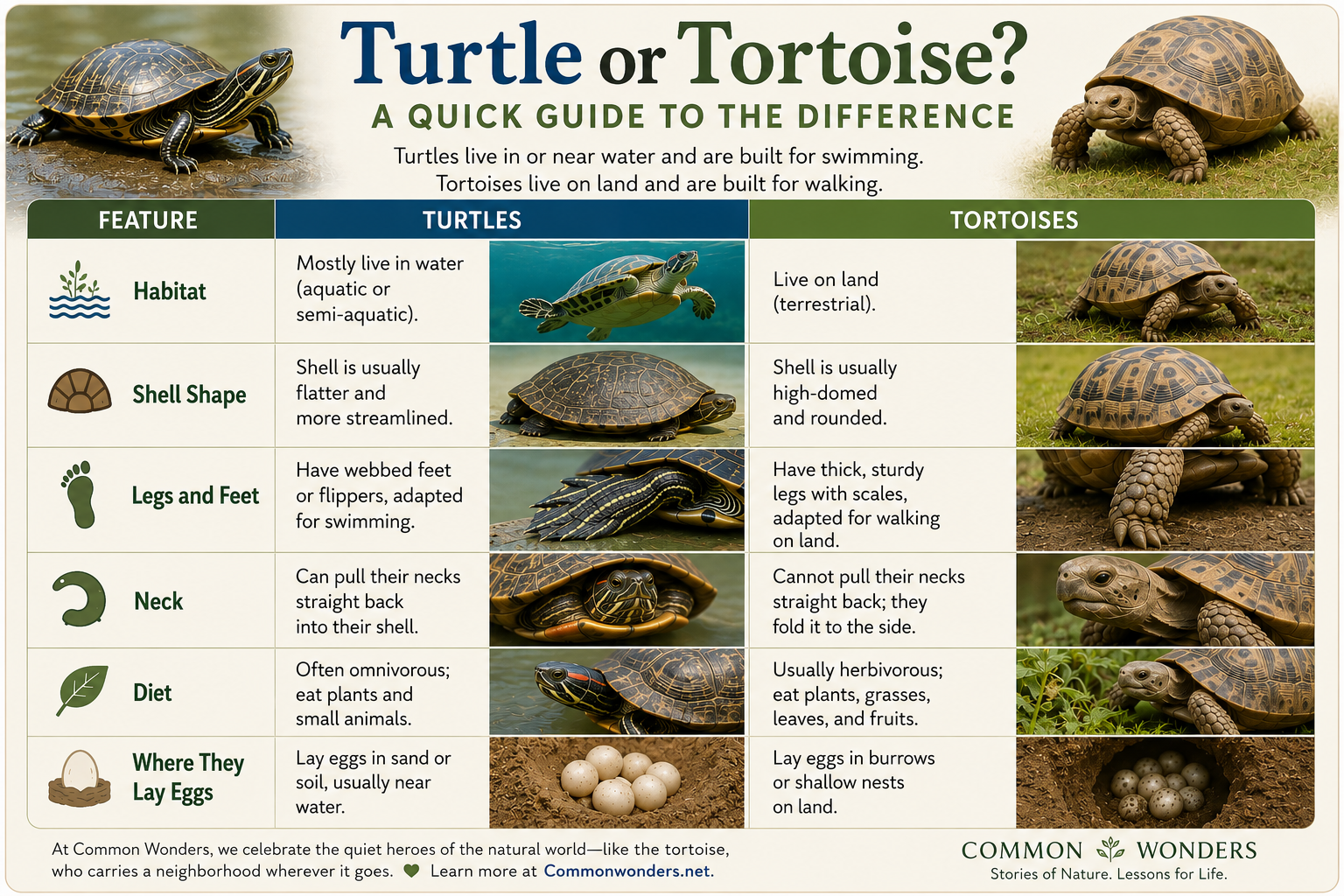 The burrow may look like a simple opening in the sand, marked by a fan-shaped patch of loose soil. In reality, it is among Florida’s most important pieces of real estate. Dug by a reptile that spends much of its life close to home, the burrow provides shelter not only for the tortoise but also for a surprising number of other animals seeking safety from heat, cold, fire, storms, and predators.
The gopher tortoise is one of the few true land tortoises in the Southeast. Unlike aquatic turtles, it is built for dry ground, sandy soils, and a life of digging. Its strong front legs and flattened, shovel-like forelimbs are not built for speed. They are built for excavation. In the dry uplands it prefers, the tortoise feeds on grasses, wildflowers, and other low vegetation, then returns to a burrow that may extend dozens of feet underground.
That burrow is where the tortoise becomes much more than a slow-moving reptile. It becomes an ecosystem engineer.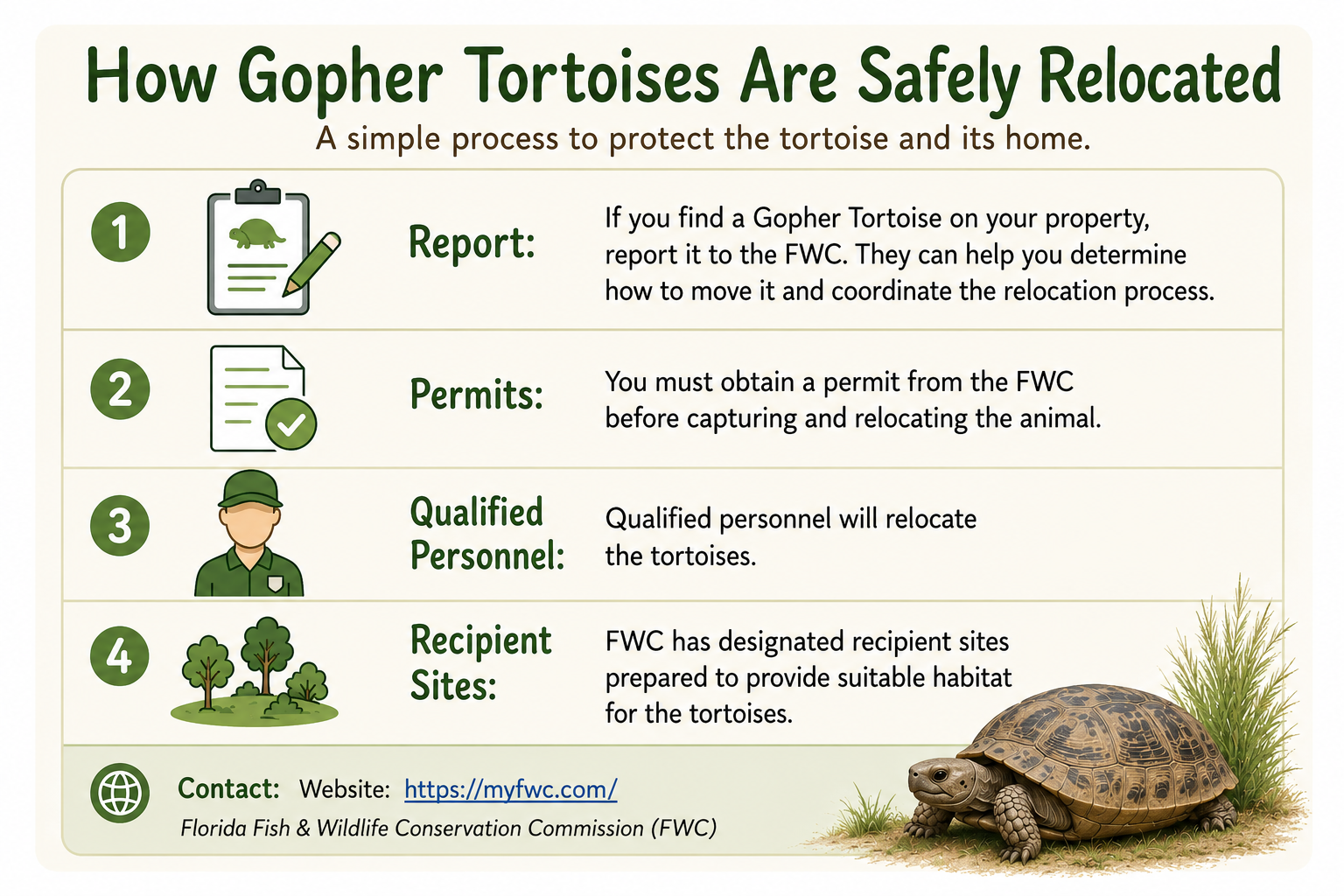
Scientists use that term for an animal that physically changes its environment in ways that help shape the lives of other species. The gopher tortoise does exactly that. Digging and maintaining burrows create a stable underground refuge that other animals can use when the Florida landscape becomes dangerous above ground. Snakes, frogs, insects, small mammals, and many other creatures have been found using gopher tortoise burrows. What looks like one animal’s shelter is often part of a much larger neighborhood.
That helps explain why the gopher tortoise matters so much in Florida. Its burrow is not just a place to sleep. It is a cooling chamber in summer, a shelter during bad weather, and, in some habitats, a life-saving escape from wildfire. The tortoise does not set out to rescue anything. It simply lives the way its species has for a very long time. Yet by doing so, it makes survival easier for animals that never dig their own burrows.
 That is one of the quiet wonders of Florida’s ecology: sometimes the most important animal in a habitat is not the fastest, loudest, or most dramatic. Sometimes it is the one patiently digging a neighborhood beneath our feet.
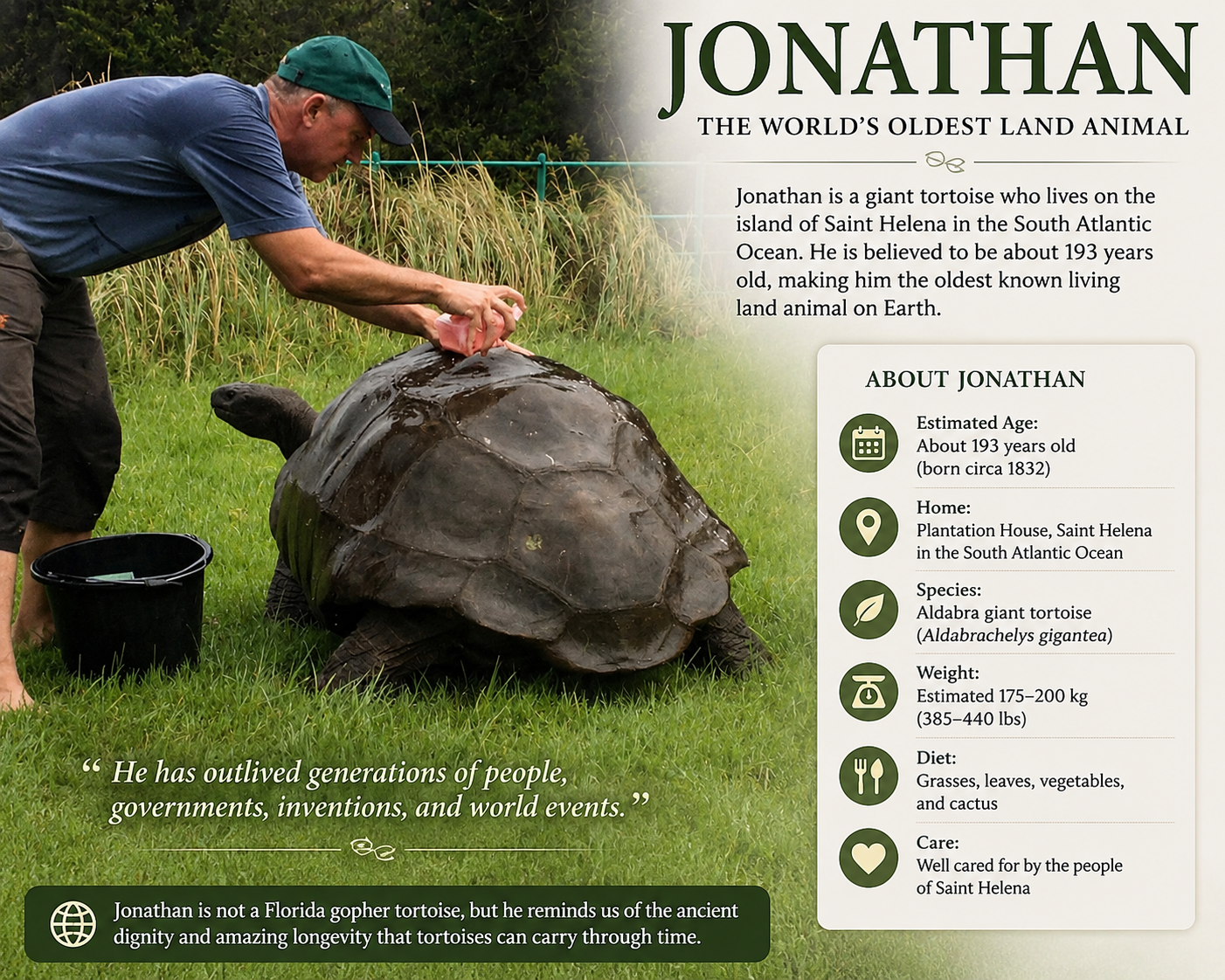
LAST NOTE: At 193 years old Jonathan the Tortoise, though not Floridian, is the oldest land animal alive today. Slow and steady seems to work!