
A Plain‑English Look at a Quiet System That Holds
 Most systems that shape daily life don’t announce themselves. They operate quietly in the background — steady, functional, and often misunderstood.
Volunteer community radio is one such system. Stations like ClayRadio sound simple when you tune in. Music plays. Voices speak. Community announcements come and go. But behind that sound is a pattern of shared effort most listeners never see — and rarely think about.
“If no one is paid… where does the money go?” This is the most common question people ask about volunteer, nonprofit community radio stations. The simple answer is this: The money keeps the station on the air — not the people.
Unlike commercial radio stations, nonprofit community radio stations are run entirely by volunteers. No DJs receive a paycheck. No hosts are paid for their shows. No board members or producers earn salaries. Every voice you hear is donating time, skills, and passion.
Donations and Sponsorships
 Even without paid staff, a radio station has real and unavoidable costs. Broadcast equipment must be maintained. Licensing fees are required by law. Music royalties must be paid. Internet streaming services, website hosting, insurance, and basic operating expenses add up. Donations and sponsorships support the infrastructure — not the individuals. Think of it like a community garden. Volunteers do the planting and tending, but someone still must pay for water, tools, and fencing.
Community Radio Volunteers
People volunteer because they care about their community, connection, and keeping something local and human alive. Volunteer community radio includes retired professionals, teachers, students, musicians, artists, advocates, storytellers, and everyday residents who simply want to contribute. Community radio offers what commercial radio cannot: local voices, stories, and culture.
A Real Example – The Community Calendar
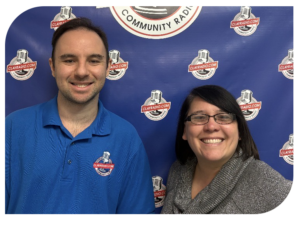 I am one of those volunteers. I maintain the ClayRadio Community Calendar. It may not involve a microphone, but it is one way the station stays connected to daily life in the community. The calendar highlights local events, nonprofit activities, meetings, and gatherings that might otherwise be overlooked. It is both fun and important work. It is one way I give back — quietly helping keep neighbors informed and connected.
Community Radio vs. Commercial Radio
Commercial radio stations exist to generate profit. Community radio stations exist to serve the community. Community radio is volunteer-powered, locally focused, and funded by donations and sponsorships rather than advertising. It isn’t about ratings — it’s about connection.
Why Sponsorships Matter
Sponsorships aren’t salaries. They’re supportive. They help keep local voices on the air, preserve independent media, support arts and civic life, and maintain a shared community resource. It’s not about buying influence — it’s about keeping the lights on.
The Quiet Agreement
Volunteer community radio runs on a simple, unspoken agreement. Some people give their time. Others give financial support. Everyone benefits from having something local and real. Community radio isn’t powered by paychecks — it’s powered by people.
By: Sandra Hartley
February 2026